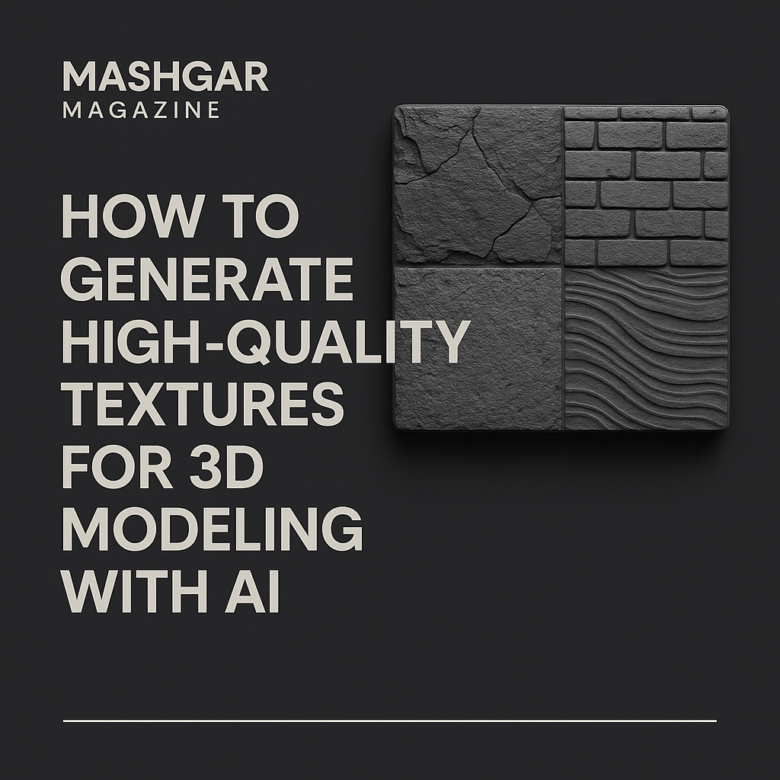
High-Quality Textures: Creating realistic surfaces for 3D models used to take days of meticulous work. You had to paint every scratch and shadow by hand while struggling with complex UV mapping.
That has changed. Today, Artificial Intelligence Texturing allows you to wrap your digital creations in stunning detail within seconds, turning a tedious process into a creative one.
Modern tools like Meshy AI and Texture AI 2.0 are leading the charge. These platforms allow you to use Text to Three-Dimensional Conversion to generate lifelike surfaces from simple descriptions.
you can also read about :
Using AI Prediction to Predict Consumer Trends Before They Happen.
The Evolution of AI Tools for High-Quality Textures
Current AI software has revolutionized how we approach 3D assets. You can now use a 3D texture generator to transform text prompts or images into high-quality 3D textures in seconds.
By utilizing Texture AI, you significantly reduce manual effort. These tools handle the heavy lifting of material creation, allowing you to focus on the overall artistic vision of your project.
Many creators use YouTube to share their progress. As a hub for video sharing, YouTube creators often upload videos showing how Beta Feature Testing in new AI texture tool versions improves their results.
Seamless Workflow Integration into 3D Pipelines
Generating a beautiful image is only half the battle. You need Production-Ready Digital Assets that work inside your favorite creative environment.
Platforms like Meshy offer seamless Three-Dimensional Workflow Integration via plugins and APIs. This ensures your AI textures work perfectly with Blender, Unity, Unreal Engine, and 3D printing software.
Google LLC and other tech leaders continue to support the infrastructure for these tools. This makes Automated Three-Dimensional Modeling more accessible for everyone from hobbyists to professional studios.
Unmatched Speed and Efficiency Benefits
The biggest advantage of using a Texture AI 2.0 workflow is the sheer speed. Meshy claims to be 10x faster than traditional methods, which is a game changer for tight deadlines.
You can reduce hours or even days of manual work to just a few minutes. This efficiency helps keep your projects on schedule without sacrificing the visual fidelity of your 3D models.
Whether you are creating music videos or complex gaming environments, the ability to Generate AI Textures rapidly allows for Digital Content Creation Scaling at an unprecedented rate.
Automation and Reduction of Manual Modeling Effort
AI excels at eliminating the most repetitive parts of the design process. This includes topological optimization and the grueling task of manual texturing.
By focusing on Image to Three-Dimensional Conversion, these tools produce production-ready assets quickly. You no longer need to spend a whole afternoon on a single brick wall or rusted metal pipe.
High-Quality Mesh Generation and Browser-Based Model Preview features allow for Rapid Asset Prototyping. You can see your results instantly, making it easier to iterate and perfect your design.
While some may still use Legacy Software Versions, the shift toward AI-driven workflows is clear. From G2 reviews to tutorials on video phone apps, the community is embracing the power of AI Textures.
The Evolution of 3D Texture Generation
Traditional texturing once required deep knowledge of UV mapping and shader nodes. For many creators, this stage was a significant bottleneck that slowed down the entire production cycle.
Artificial Intelligence Texturing has removed that barrier. By using tools like Texture AI 2.0 and Meshy AI, you can now generate high-quality textures through simple text prompts or image uploads.
This shift toward Automated Three-Dimensional Modeling allows you to focus on the big picture. While the AI software handles the fine details, you can spend more time on the creative aspects of your 3D assets.
Speed and Efficiency Benefits of AI Texture Generation
The most immediate advantage of using a 3D texture generator is the drastic reduction in production time. Modern AI texture tools like Meshy AI are often ten times faster than traditional manual methods.
What used to take hours or even days of meticulous hand-painting can now be completed in minutes. This speed is essential for rapid asset prototyping and helps you keep complex projects on schedule without sacrificing quality.
By leveraging Texture AI 2.0, you can scale your digital content creation. This efficiency is particularly useful when you need to populate large environments with diverse, realistic surfaces in a short timeframe.
Automation and Reduction of Manual Effort
AI is transforming how we handle the technical side of 3D models. These tools produce production-ready digital assets quickly, eliminating the need for extensive manual texturing and topological optimization.
Text to Three-Dimensional Conversion and Image to Three-Dimensional Conversion technologies are now advanced enough to handle UV mapping automatically. This allows creators to bypass the tedious parts of the 3D workflow integration.
With high-quality mesh generation and beta feature testing in new software versions, the need for manual intervention is shrinking. You can now generate AI textures that are ready for immediate use in professional projects.
Workflow Integration of AI Textures into 3D Pipelines
Modern platforms ensure that AI-generated textures fit perfectly into existing professional pipelines. Tools like Meshy AI offer seamless integration via plugins and APIs for industry-standard software.
Whether you are working in Blender, Unity, or Unreal Engine, these assets are designed for compatibility. This includes support for 3D printing software and browser-based model preview features to check your work instantly.
Google and YouTube creators are increasingly using these tools to build immersive environments. From music videos to original content, the ability to share videos featuring high-quality 3D assets has never been easier or more accessible.
AI Tools for Generating High-Quality Textures
Leading the market, Texture AI 2.0 and Meshy AI are capable of transforming simple descriptions into stunning visuals. These tools utilize legacy software versions and the latest beta features to provide professional results.
Many creators find these tools through platforms like G2 or by watching tutorials on YouTube. The community of YouTube developers and creators often shares tips on how to maximize these AI texture tools for better results.
As Artificial Intelligence Texturing continues to evolve, the gap between professional studios and independent creators closes. You now have the power to create world-class textures using your camera phone video or simple text inputs.
Top AI Tools for High-Quality Textures
Several platforms currently lead the market in Three-Dimensional Model Generation and texturing. These tools are redefining Digital Content Creation Scaling by offering unique features for every stage of your workflow.
Meshy AI is widely considered a top choice for creating Production-Ready Digital Assets. It allows you to transform simple text prompts or reference images into textures in seconds, which significantly reduces manual effort.
Google and YouTube have become vital resources for learning these new workflows. Many YouTube creators share original content and video tutorials on how to master AI texture tool prompts and Beta Feature Testing.
The Best AI Tools for Generating High-Quality Textures
Platforms like Texture AI 2.0 and Meshy AI are the primary AI tools for generating high-quality textures for 3D models. These systems transform a text prompt or an image into a detailed surface in seconds, which is a massive leap for 3D assets production.
By using Text to Three-Dimensional Conversion, you can bypass the tedious hours of hand painting. This technology allows you to focus on the creative vision while the AI software handles the complex math of light and shadow.
Seamless Workflow Integration of AI-Generated Textures
The true power of an AI texture tool lies in its Three-Dimensional Workflow Integration. Leading platforms offer plugins and APIs for industry standard software like Blender, Unity, and Unreal Engine.
This connectivity ensures that your Automated Three-Dimensional Modeling remains fluid. Whether you are working on game development or 3D printing, these tools allow for a smooth transition from the browser-based model preview to your final scene.
Speed and Efficiency Benefits of AI Texture Generation
Efficiency is the heart of Artificial Intelligence Texturing. Industry leaders like Meshy AI claim to be ten times faster than traditional methods, turning days of work into minutes of processing time.
This speed helps you keep projects on schedule without sacrificing quality. Rapid Asset Prototyping becomes possible when you can generate and iterate on dozens of different texture variations in a single afternoon.
Automation and Reduction of Manual Effort
Modern tools focus on the automation and reduction of manual modeling and texturing effort. This shift eliminates the need for extensive manual texturing, topological optimization, and complex UV mapping.
By automating High-Quality Mesh Generation, you can produce professional results even if you lack deep technical knowledge of Legacy Software Versions. This democratization of 3D tools allows more creators to share videos of their work on platforms like YouTube.
While exploring these tools, you might even see YouTube advertising for the latest features or unrelated services like NFL Sunday Ticket from Google LLC. These platforms, along with review sites like G2, help you stay updated on the best Image to Three-Dimensional Conversion technology.
| Tool Name | Primary Strength | Best For |
|---|---|---|
| Meshy AI | Speed and Ease of Use | Rapid Prototyping |
| Texture AI 2.0 | Stability and Detail | Professional Assets |
| Polycam | Photorealism | AR and VR Projects |
| Tripo AI | Precision Edits | Game Development |
Speed and Efficiency Benefits of AI Texture Generation
The most immediate advantage of integrating a Texture AI tool into your workflow is the massive boost to Digital Content Creation Scaling. You no longer need to wait hours for a single material to be baked or manually painted.
Meshy AI claims to be 10x faster than traditional methods by utilizing Artificial Intelligence Texturing. This efficiency reduces hours or even days of manual work to mere minutes, ensuring your projects stay on schedule without sacrificing quality.
By leveraging Rapid Asset Prototyping, you can now produce more in a single afternoon than you could in a week. This speed allows for more creative experimentation during the Beta Feature Testing phase of your project.
Automation and reduction of manual modeling and texturing effort are at the heart of this revolution. Competitors emphasize the ability of AI to produce Production-Ready Digital Assets quickly, which eliminates the need for extensive manual texturing.
With Three-Dimensional Workflow Integration, these tools handle the heavy lifting of topological optimization and UV mapping. This shift away from Legacy Software Versions allows you to focus on the artistic vision rather than the technical grind.
Platforms like Texture AI 2.0 offer features such as Text to Three-Dimensional Conversion and Image to Three-Dimensional Conversion. These capabilities allow for High-Quality Mesh Generation that is ready for immediate use in professional environments.
Whether you are creating original content for YouTube creators or developing assets for Google LLC platforms, the time saved is invaluable. Modern tools even offer a Browser-Based Model Preview to check your work instantly.
From music videos to complex simulations, the ability to share videos of your progress or upload videos for feedback is faster than ever. This streamlined process is essential for everything from indie games to major broadcasts like NFL Sunday Ticket.
In short, Automated Three-Dimensional Modeling is not just about speed. It is about empowering you to maintain a nurturing and productive creative environment while meeting the high demands of the modern digital landscape.
Workflow Integration for 3D Pipelines
An AI texture tool is only truly effective if it fits into your current creative setup. Most modern platforms now offer Three-Dimensional Workflow Integration through dedicated plugins and APIs.
Platforms like Meshy AI offer seamless integration with industry standard tools such as Blender, Unity, and Unreal Engine. They also support High-Quality Mesh Generation that works directly with 3D printing software and Google cloud services.
This ensures a smooth transition from the AI software to your final render. You can move from Text to Three-Dimensional Conversion to a finished scene without leaving your preferred environment.
Achieving Production-Ready Digital Assets
The transition to Artificial Intelligence Texturing allows for Rapid Asset Prototyping. You can test Beta Feature Testing versions of your textures in real time before committing to a final export.
By utilizing Image to Three-Dimensional Conversion, you create Production-Ready Digital Assets that maintain high fidelity. This process supports Digital Content Creation Scaling by removing the technical bottlenecks of UV mapping.
Whether you are building 3D assets for YouTube creators or professional gaming, these tools ensure your 3D models meet modern standards. You can even use a Browser-Based Model Preview to check your work on the go.
Automated Three-Dimensional Modeling and Efficiency
Automated Three-Dimensional Modeling significantly reduces the manual effort required for complex projects. You no longer need to spend hours on texture creation or fixing Legacy Software Versions of your files.
With Texture AI 2.0, the speed of Generate AI Textures workflows has reached new heights. This efficiency allows you to focus on the creative vision rather than the repetitive technical labor.
As Google LLC and other tech leaders expand into video sharing and immersive media, having AI Textures ready is vital. You can even find tutorials on video phone apps or YouTube to master these new beta features.
“The goal of AI in 3D is not to replace the artist, but to remove the repetitive tasks that hinder creativity.”
Automation and Reduction of Manual Effort
AI excels at Automated Three-Dimensional Modeling tasks that used to be incredibly tedious. This includes High-Quality Mesh Generation and topological optimization, allowing you to focus on the creative vision rather than the technical grind.
By using tools like Texture AI 2.0, you can produce Production-Ready Digital Assets quickly. This eliminates the need for extensive manual texturing and complex UV mapping that often slows down a project.
Staying ahead of the curve means utilizing Beta Feature Testing in newer AI software versions. These updates often provide cutting edge ways to automate your pipeline and maintain Digital Content Creation Scaling without adding extra staff.
Text to Three-Dimensional Conversion
You can now describe a surface in plain language, such as weathered copper with green oxidation, and see it appear instantly. This Text to Three-Dimensional Conversion is a game changer for concept artists who need to see results in real time.
This technology allows for Rapid Asset Prototyping, meaning you can iterate on a look dozens of times in a single afternoon. It is an essential part of Artificial Intelligence Texturing that makes the transition from idea to model feel seamless.
Image to Three-Dimensional Conversion
If you have a photo of a real world material, Image to Three-Dimensional Conversion can turn that flat picture into a wrap around texture. This process ensures your 3D models maintain a high level of realism based on actual physical references.
Platforms like Meshy AI offer a Browser-Based Model Preview so you can inspect these conversions immediately. This speed is vital for 3D assets intended for fast paced environments like YouTube content creation or video sharing platforms.
Speed and Efficiency Benefits of AI Texture Generation
The primary advantage of using a 3D texture generator is the sheer velocity it brings to your studio. Modern tools are often ten times faster than traditional methods, turning days of work into minutes.
This efficiency is why Google and other tech leaders are investing heavily in Google LLC cloud solutions for 3D rendering. High performance AI texture tool options help you keep projects on schedule and under budget.
Whether you are developing original content for YouTube creators or managing high stakes broadcasts like the NFL Sunday Ticket, speed is your greatest asset. Using AI ensures your Three-Dimensional Model Generation never hits a bottleneck.
Legacy Software Versions and Modern Integration
While Legacy Software Versions might lack native AI support, Three-Dimensional Workflow Integration is bridging the gap. Plugins now connect older suites to modern AI clouds for instant texture updates.
Many YouTube developers use these integrations to upload videos showing off complex music videos or camera phone video projects enhanced by AI. Check reviews on G2 to find the best AI software for your specific hardware setup.
Achieving Realism with Prompt Engineering
To get the best results from a 3D texture generator, you must learn how to communicate effectively with the engine. This process, known as prompt engineering, is the bridge between your imagination and the final render.
You should be specific about lighting, material types, and signs of wear. Instead of a simple prompt like wood, try using polished dark oak with fine grain and minor scratches to guide the Artificial Intelligence Texturing process.
Using a Texture AI tool like Meshy AI or Texture AI 2.0 allows you to experiment with Text to Three-Dimensional Conversion. Detailed prompts help the AI understand surface properties like roughness and metallic maps.
Workflow Integration of AI Generated Textures into 3D Pipelines
The true power of AI Textures lies in how they fit into your professional environment. Modern platforms offer seamless Three-Dimensional Workflow Integration through dedicated plugins and APIs.
Whether you use Blender, Unity, or Unreal Engine, these tools ensure your Production-Ready Digital Assets move from the generator to the scene without friction. This compatibility even extends to specialized 3D printing software.
Always check your Browser-Based Model Preview before exporting your work. This step allows you to catch errors in the AI software or Beta Feature Testing phases before they enter your main project files.
Speed and Efficiency Benefits of AI Texture Generation
In the fast paced world of Digital Content Creation Scaling, time is your most valuable resource. Tools like Meshy AI claim to be ten times faster than traditional manual methods.
What used to take hours or days of hand painting can now be completed in minutes. This drastic reduction in labor helps you keep complex projects on schedule while maintaining high quality standards for your 3D assets.
By leveraging Rapid Asset Prototyping, you can visualize multiple aesthetic directions in a single afternoon. This efficiency is why many YouTube creators and YouTube developers are adopting these tools for their virtual sets.
Automation and Reduction of Manual Modeling and Texturing Effort
Modern Automated Three-Dimensional Modeling eliminates the need for tedious tasks like manual UV mapping and topological optimization. The AI handles the technical grind so you can focus on the creative vision.
By using Image to Three-Dimensional Conversion, you can transform a simple camera phone video or a video phone photo into a fully textured model. This is a massive leap over Legacy Software Versions that required manual vertex manipulation.
While you might see YouTube advertising for various AI software, platforms like G2 confirm that tools like Texture AI 2.0 are leading the way. They provide High-Quality Mesh Generation that is ready for immediate use in games or films.
From music videos to complex simulations, the ability to share videos of your progress is easier when the Artificial Intelligence Texturing handles the heavy lifting. Even large entities like Google and Google LLC continue to explore how these technologies impact the future of media, much like the distribution of NFL Sunday Ticket on YouTube.
Integration and the Evolution of Texture AI 2.0
While Texture AI 2.0 represents the cutting edge of Artificial Intelligence Texturing, you may find that Legacy Software Versions still hold a place in your toolkit. These older versions often provide stable environments for specific projects that require compatibility with outdated rendering engines.
However, the industry is moving rapidly toward Automated Three-Dimensional Modeling. Tools like Meshy AI are now 10x faster than traditional methods, turning what used to be days of manual labor into minutes of high-quality output.
Staying informed through G2 reviews and the latest Google LLC developments ensures you choose the right AI texture tool for your specific pipeline. Whether you are focused on Text to Three-Dimensional Conversion or Image to Three-Dimensional Conversion, the goal is always the same: efficiency.
Workflow Integration of AI Generated Textures into 3D Pipelines
Integrating AI textures into your professional workflow is now easier than ever. Modern platforms like Meshy AI offer seamless integration via plugins and APIs for industry standard software such as Blender, Unity, and Unreal Engine.
This Three-Dimensional Workflow Integration allows you to move Production-Ready Digital Assets directly into your scene. You can also export files for 3D printing software, ensuring that your digital creations are ready for the physical world without extra steps.
By using a Browser-Based Model Preview, you can inspect your High-Quality Mesh Generation before even downloading a file. This saves time and ensures that every asset fits perfectly within your existing project architecture.
Speed and Efficiency Benefits of AI Texture Generation
The primary advantage of using a 3D texture generator is the massive increase in production speed. By leveraging Artificial Intelligence Texturing, you can reduce the time spent on UV mapping and hand-painting by nearly ninety percent.
Rapid Asset Prototyping allows you to experiment with different aesthetics in real time. Instead of waiting for a manual artist to revise a surface, you can Generate AI Textures instantly to see how light interacts with different material properties.
This speed helps you keep complex projects on schedule while maintaining a high level of detail. For teams focused on Digital Content Creation Scaling, these tools are essential for meeting tight deadlines without sacrificing the artistic vision of the 3D models.
Automation and Reduction of Manual Modeling Effort
AI software is revolutionizing the industry by eliminating the need for extensive manual texturing and topological optimization. Modern AI textures are designed to be production-ready, meaning they come with pre-configured maps for roughness, metallic, and normal values.
You no longer need to spend hours on tedious tasks like manual seam placement. The AI handles the heavy lifting of Three-Dimensional Model Generation, allowing you to focus on the creative aspects of world-building and character design.
As you explore Beta Feature Testing, you will see even more advancements in how AI handles complex geometry. From music videos on YouTube to professional gaming assets, the reduction in manual effort is empowering a new generation of YouTube creators and developers.
To stay ahead, keep an eye on YouTube for tutorials from top YouTube developers. Whether you are interested in camera phone video techniques or NFL Sunday Ticket style broadcasts, high-quality 3D assets are the foundation of modern visual storytelling.
The Strategic Advantages of Artificial Intelligence Texturing
Adopting Texture AI 2.0 into your creative process offers a transformative shift in how you handle 3D models. The primary benefit is the sheer speed of production.
Tools like Meshy AI allow you to Generate AI Textures in a fraction of the time required by traditional hand painting. This efficiency helps you keep projects on schedule and under budget.
By utilizing Artificial Intelligence Texturing, you can focus on the artistic vision while the AI software handles the repetitive tasks of material layering and detail mapping.
This approach facilitates Digital Content Creation Scaling, allowing small teams to produce the same volume of work as large studios. High-Quality Mesh Generation ensures your assets remain professional.
Addressing the Challenges of AI Textures
While the benefits are vast, you must also navigate the current limitations of Automated Three-Dimensional Modeling. One common hurdle is achieving clean topology for every asset.
Some AI texture tool outputs may require manual cleanup to ensure they meet the strict requirements of High-Quality Mesh Generation for real time rendering engines.
You might also find that organic textures, such as human skin, require more fine tuning than hard surfaces like metal or stone. Beta Feature Testing is often necessary to refine these details.
Despite these hurdles, the industry is seeing a massive shift toward Text to Three-Dimensional Conversion. This evolution is supported by platforms like Google and G2 reviews of top software.
Workflow Integration and Production Efficiency
The true power of Texture AI lies in its Three-Dimensional Workflow Integration. Most modern tools offer plugins for industry standard software like Blender and Unreal Engine.
This connectivity allows for Rapid Asset Prototyping, where you can move from a concept to a Browser-Based Model Preview in minutes rather than days.
Meshy AI claims to be 10x faster than traditional methods, effectively reducing hours of manual labor to simple clicks. This creates a more nurturing environment for your creativity.
Even if you rely on Legacy Software Versions for specific projects, integrating Image to Three-Dimensional Conversion can modernize your output and improve overall asset quality.
The Future of Production-Ready Digital Assets
As you explore the world of 3D assets, you will notice that AI is becoming the backbone of modern pipelines. It is no longer just for hobbyists or YouTube creators.
Major entities like Google LLC and various YouTube developers are highlighting how AI streamlines the creation of music videos and original content through these rapid tools.
Whether you are creating for video sharing platforms or high end gaming, the ability to upload videos of your textured models quickly is a competitive advantage.
From camera phone video references to professional 3D texture generator outputs, the goal is always to create Production-Ready Digital Assets that stand the test of time.
Frequently Asked Questions About Texture AI 2.0
Embracing Artificial Intelligence Texturing helps you scale your digital content creation. Here are the most common questions about using these tools in your creative journey.
Is AI texturing free to use for original content?
Many platforms like Meshy AI offer a free tier that allows you to experiment with original content. You can often generate and share videos of your work on platforms like YouTube to showcase your progress.
While a free upload is common, professional 3D assets usually require a subscription. This ensures you get high-resolution exports and Production-Ready Digital Assets for your specific project needs.
Can I use AI textures in commercial games and music videos?
Yes, most AI texture tool providers allow for commercial use once you have a paid license. This is ideal for creators looking to upload videos to YouTube or develop indie games for a global audience.
Always verify the specific terms from Google LLC or your chosen provider regarding YouTube advertising and revenue. You must ensure your 3D models meet the legal requirements for commercial Digital Content Creation Scaling.
Does AI software replace the need for Blender or Maya?
No, an AI texture generator is designed to complement your existing skills rather than replace them. You still need traditional tools for Three-Dimensional Workflow Integration, including final layout and animation.
Think of it as a way to speed up the process. While the AI handles the initial texture creation, you use legacy software versions for fine-tuning the High-Quality Mesh Generation and rigging.
What are the benefits of Texture AI 2.0 over older versions?
Texture AI 2.0 is a refined AI software that offers much better stability and advanced beta features. It allows for more precise Text to Three-Dimensional Conversion compared to earlier iterations.
This version supports Rapid Asset Prototyping and includes a Browser-Based Model Preview. These tools help you visualize how your 3D models will look before you commit to a final export or long render.
How does AI improve 3D modeling speed and efficiency?
By utilizing Meshy AI and similar tools, you can achieve results up to 10x faster than traditional methods. This efficiency is a core part of Automated Three-Dimensional Modeling that keeps your projects on schedule.
Instead of spending days on UV mapping and manual painting, you can Generate AI Textures in minutes. This reduction of manual effort allows you to focus on the storytelling and artistic direction of your work.
Can I integrate AI textures into professional pipelines?
Modern tools are built for Three-Dimensional Workflow Integration with industry standards like Unity and Unreal Engine. They often provide plugins that bridge the gap between the AI texture tool and your game engine.
This seamless integration allows for Image to Three-Dimensional Conversion that fits right into your existing production line. It is a game changer for teams needing to produce a high volume of 3D assets quickly.